



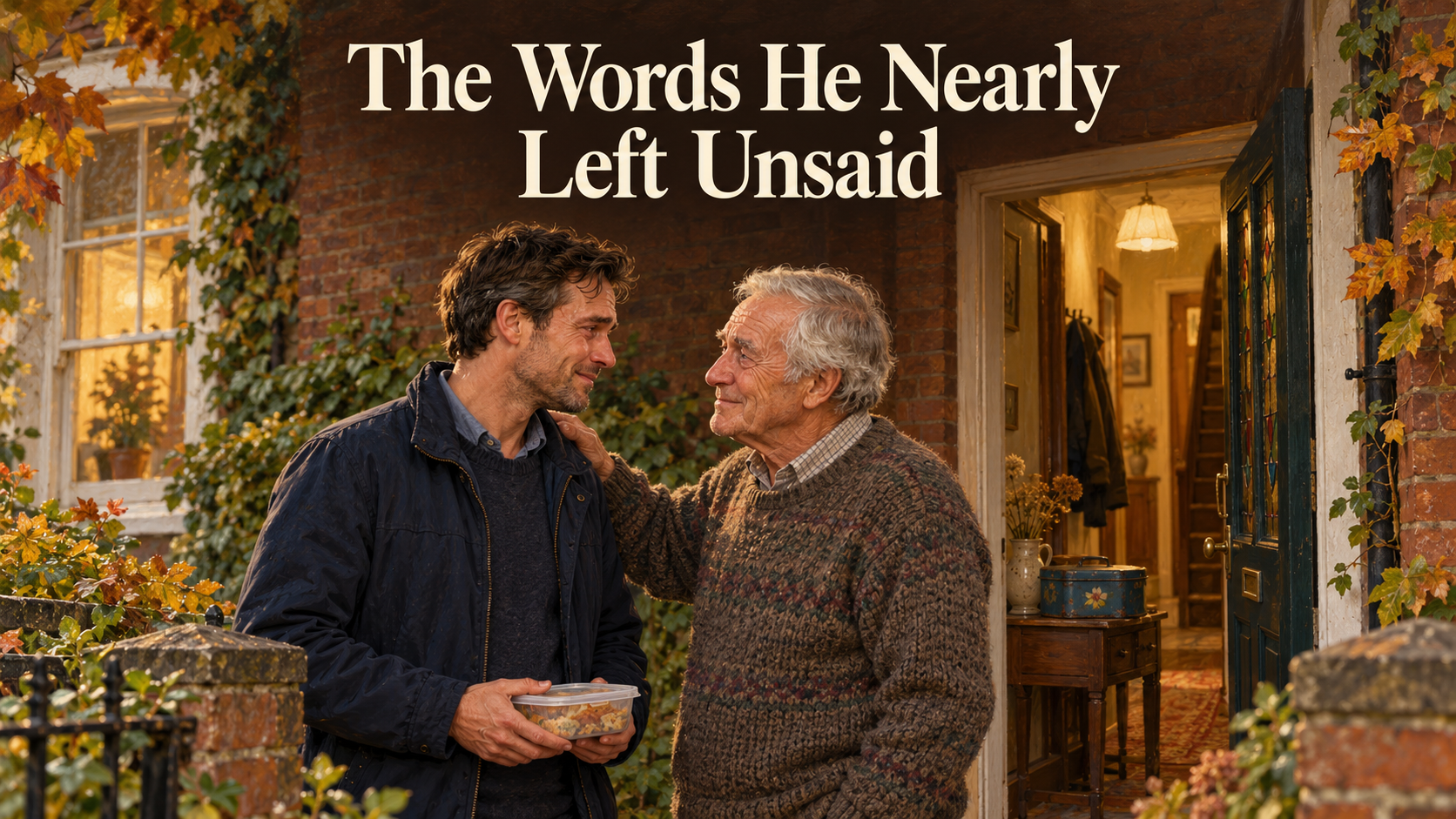


A story about the promises that change with life, and the love that makes room for those changes
The first thing Kabir did after their wedding was sit on the bedroom floor and search for a missing earring, while Leena stood beside the bed wondering how anyone was supposed to remove forty-seven hairpins without losing patience with the person who had put them there.
Downstairs, their families were still discussing which guests had eaten twice and which uncle had managed to appear in every photograph. Someone knocked to ask whether they wanted milk, and Leena called through the door that what she really wanted was a screwdriver for her hairstyle.
Kabir found the earring beneath his shoe and held it up with such satisfaction that she laughed despite the ache in her shoulders.
They had known each other for two years, but that evening contained a new awkwardness. There were suitcases to unpack, relatives to please, and a whole shared life waiting beyond a room decorated by people who apparently believed roses belonged on every available surface.
When Leena finally sat beside him, Kabir took a folded piece of paper from the pocket of his wedding jacket.
“Before you worry, this isn’t another bill from the caterer,” he said, smoothing it against his knee.
She watched him draw three ones across the page, with a line between each number.
He proposed one evening together every week, one weekend away each month, and one trip somewhere different every year. They could spend very little, he explained, and they could take turns choosing where to go, but he wanted them to decide now that their marriage deserved time in the calendar.
Leena looked at the paper, then at the man who had spent the previous week forgetting where he had put his own passport.
“You’re making marriage sound like a subscription plan,” she told him, although she was already smiling.
Kabir smiled too, but his answer came more slowly.
“My parents were always saving something for later, and I don’t think later ever arrived in the way they expected.”
His father had worked Saturdays for years, promising holidays after the mortgage was paid. His mother had stopped asking eventually, and by the time there was enough money, his father’s knees made travelling difficult. They cared for each other, but Kabir could hardly recall seeing them enjoy an afternoon that belonged entirely to them.
Leena leaned against his shoulder and studied the three numbers again.
“Then I get to choose the first evening, and you have to come without checking restaurant reviews for an hour.”
He agreed, and she tucked the paper into the small wooden box where she kept letters and things she could never quite bring herself to throw away.
Their first evening cost less than the flowers in her wedding hair.
They ate stuffed bread at a crowded stall, walked through streets still damp from afternoon rain, and stopped outside a music shop because a song from Leena’s school days was playing through its open doorway.
Kabir had never heard it before, so she sang enough of it for him to understand why this was probably a song best enjoyed in its original recording. He joined in anyway, inventing words until she had to stop walking because she was laughing too much.
During the early months, keeping their arrangement felt easy. They had no children, manageable rent, and the enthusiasm of people who still found buying a saucepan together strangely exciting.
Their weekends away were rarely impressive. Once, they stayed in a guesthouse with a bathroom door that would not close unless someone held it from outside. Another time, they took the wrong bus and spent an afternoon in a town neither of them had intended to visit.
Leena bought a blue cup there, and for years afterwards Kabir referred to it as the most expensive cup they owned, once the extra bus tickets were included.
On their first annual trip, they went to the coast and argued before they had even checked into their room. Kabir wanted to make the most of every day, while Leena wanted to read a book without being told how many attractions were within walking distance.
By lunchtime, she had put her book down and asked him whether he had brought her on holiday or recruited her for an expedition.
He looked offended before admitting that he was afraid of wasting the money they had saved.
They agreed to plan one outing each day and leave the rest open. That evening, they sat on the beach eating oranges from a paper bag, and Kabir discovered that doing very little could still give him something worth talking about afterwards.
For a while, they believed they had worked marriage out rather well.
Then Leena received a promotion, Kabir’s father needed surgery, and their daughter, Rhea, arrived with a magnificent ability to wake whenever either parent began falling asleep.
Their conversations became practical because practical things needed answers. They discussed feeding times, prescriptions, office deadlines, and whose turn it was to call the plumber. Kabir knew which supermarket had the cheapest nappies, but he did not know that Leena had started crying in the car before going into work.
Leena knew when his father’s next appointment was, but she had not noticed how often Kabir stood outside the hospital before coming home, taking a few minutes to stop looking frightened.
Neither of them was deliberately withdrawing, and neither had much left to give by bedtime.
The weekly evenings disappeared first, followed by the weekends. Their annual trip was cancelled when the washing machine broke, and they told each other they would arrange something once things settled down.
One Thursday, almost four years after their wedding, Kabir came home with two cinema tickets and found Leena sitting beside a basket of unfolded washing.
His sister had agreed to watch Rhea, he explained, and the film started at eight. He expected her to be pleased, so her expression confused him.
“I wish you’d asked me before deciding,” she said, rubbing the place between her eyebrows.
He pointed out that she had wanted them to start going out again, and she looked towards the kitchen, where bottles needed washing and tomorrow’s lunch was still unmade.
“I wanted time with you, Kabir, but I didn’t want another evening I had to prepare everything for.”
He began to say he could help, then stopped when she looked at him.
She told him that help was not quite the word she needed. She needed him to notice what belonged to both of them without waiting for instructions, and she needed to stop being responsible for making their home function before she was allowed to enjoy leaving it.
Kabir sat at the other end of the sofa with the tickets in his hand. His first instinct was to list everything he already did, but he could see that Leena was struggling to speak without crying, and he put the tickets on the table.
“Tell me what happens before I get home,” he said, and this time he stayed long enough to hear the answer.
They missed the film and spent most of the evening talking. Some of what they said was clumsy, and there were moments when each felt unfairly judged, but they kept returning to the conversation instead of walking away from it.
Before bed, they divided the regular household tasks, including the planning behind them. Kabir took responsibility for nursery messages, shopping, and his father’s appointments. Leena agreed to tell him when something was wrong rather than waiting until disappointment had collected around several smaller things.
There was no sudden transformation the following morning, but Kabir ordered the groceries without asking her to write the list.
Their next evening together happened two weeks later, after Rhea had fallen asleep.
Kabir cooked, Leena left the washing where it was, and they ate at the little table on their balcony while a neighbour struggled to reverse his car below. For the first ten minutes, they talked about their daughter because they had forgotten how to begin anywhere else.
Then Kabir asked whether Leena still wanted to take the pottery course she used to mention.
She looked surprised that he could recall it, and he felt embarrassed by how long it had been since he had asked about something she wanted for herself.
She told him about the course, then about work, then about the way motherhood had made her feel needed all day and somehow unseen at the same time.
He listened, and afterwards he told her about the hospital car park.
They stayed outside until the food had gone cold and the neighbour had finally parked.
The following month, Leena opened her wooden box while looking for a receipt and found the paper from their wedding night. One corner had turned yellow, and there was a faint stain where Kabir had rested it against his knee.
She carried it into the kitchen, where he was cutting fruit for Rhea.
“I think we owe each other about thirty weekends,” she said, holding it beside the chopping board.
He looked at the figures and shook his head.
“I think we should change it before it starts feeling like debt.”
They could not afford a monthly weekend away, and neither wanted to spend their limited energy pretending otherwise. They decided to keep a weekly space for each other, however small, and to arrange days out and longer trips when money, childcare, and health allowed.
Leena turned the paper over and wrote their new agreement on the back. Underneath it, she added that whoever organised the outing also organised what needed doing at home.
Kabir read that last sentence carefully before telling her he thought it was an excellent clause.
Some weeks, their time together was a walk while his sister watched Rhea. Other weeks, it was tea in the kitchen with their phones in a drawer, or breakfast before their daughter woke and demanded to know why they were eating without her.
There were still missed evenings and arguments, but they grew better at saying when they felt neglected, and better at hearing it without treating the conversation as an accusation.
Two years later, they finally returned to the coast.
Rhea stayed with her grandparents, delighted by the possibility of being given biscuits before lunch, while Leena and Kabir booked three nights in a modest hotel near the beach.
On their second evening, they bought oranges and sat on a bench overlooking the water. Leena had brought a book, and Kabir had brought no list of attractions, although he had investigated several places for breakfast.
She watched him peel an orange, carefully removing the white strands because he knew she disliked them, and felt a tenderness she had almost forgotten during their hardest year.
“Do you ever wish we were back at the beginning?” she asked, watching him divide the fruit between them.
He thought about it before answering.
“Sometimes I miss having fewer things to worry about, but I wouldn’t want to start again without knowing you the way I do now.”
Leena rested her book on her lap and moved closer to him. Beyond the beach, someone was calling children in for dinner, and the hotel behind them had begun switching on its outside lights.
They stayed until they needed their jackets, talking about their daughter, his father, and whether Leena might sell a few of the bowls she had begun making in her pottery class.
When they got home, she returned the folded paper to its wooden box, with the railway tickets from their trip tucked beside it. The next Thursday was already marked on the kitchen calendar, and Kabir had written beneath it that his sister was coming at seven.
For once, Leena had nothing to arrange, so she went upstairs to decide what she wanted to wear.